
Selecting the correct material for Patient ID Wristbands is a critical decision in modern healthcare systems. Medical wristbands are not merely identification accessories; they are functional components of clinical workflows that directly influence patient safety, medication accuracy, and operational efficiency. In hospitals, clinics, and laboratories, wristbands must remain readable, secure, and comfortable throughout the entire care cycle.
Among the most commonly used materials, Vinyl, PET, and Tyvek medical wristbands each present distinct advantages and limitations. Understanding how these materials perform under real hospital conditions is essential for procurement teams, clinical engineers, and healthcare administrators seeking long-term reliability rather than short-term cost savings.
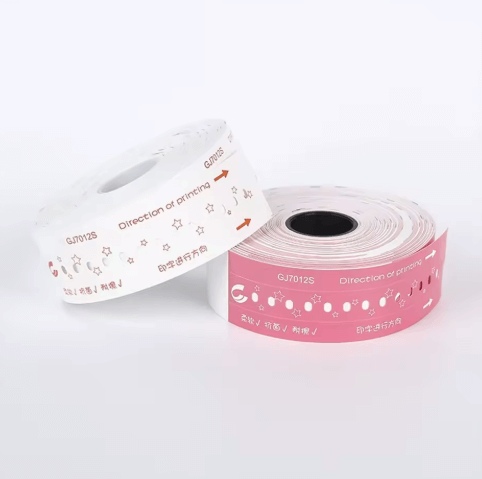
Core Materials Used
Vinyl Medical Wristbands
Vinyl wristbands are manufactured from medical-grade PVC-based materials engineered for flexibility and durability. They are widely used in inpatient settings where wristbands must withstand extended wear, frequent handwashing, and repeated exposure to disinfectants. Vinyl Medical Wristbands are inherently waterproof and can be produced as Waterproof Latex-free Wristbands, making them suitable for a broad range of patient populations.
PET Medical Wristbands
PET wristbands use polyester-based synthetic films designed for consistent thermal printing performance. PET Medical Wristbands are commonly used as Thermal Printing Wristbands due to their smooth surface and stable heat response. They provide excellent barcode clarity and are frequently deployed in short-to-medium stay hospital environments.
Tyvek Medical Wristbands
Tyvek wristbands are produced from high-density polyethylene fiber sheets. They are lightweight, breathable, and cost-effective, making them suitable for short-term identification scenarios. Tyvek Medical Wristbands are typically used in outpatient clinics, temporary triage areas, or high-volume screening programs where durability demands are limited.
Material Performance Characteristics
Durability and Waterproof Performance
Vinyl Medical Wristbands offer the highest level of mechanical durability and waterproof performance. They resist tearing, stretching, and moisture penetration, maintaining structural integrity during bathing and prolonged inpatient stays.
PET Medical Wristbands also demonstrate strong waterproof characteristics, particularly when laminated or coated for medical use. However, their mechanical flexibility is slightly lower than vinyl, making them more suitable for controlled clinical environments.
Tyvek Medical Wristbands have limited waterproof performance. While they resist light splashes, prolonged exposure to moisture can degrade print quality and structural strength, restricting their use to short-term applications.
Print Quality and Barcode Stability
PET Medical Wristbands excel in thermal print clarity. Their uniform surface supports high-contrast barcodes and text, making them ideal for barcode-driven medication administration systems.
Vinyl Medical Wristbands provide reliable print performance when engineered for thermal printing, though print stability depends on coating quality. High-grade vinyl wristbands maintain barcode readability over extended wear periods.
Tyvek Medical Wristbands support basic printing but are prone to smudging and fading under moisture and friction, increasing the risk of barcode scan failures.
Patient Comfort and Skin Safety
Vinyl and PET wristbands are both designed to be latex-free, supporting allergy prevention and patient comfort. Vinyl offers superior flexibility, reducing skin irritation during long-term wear.
Tyvek wristbands are lightweight and breathable but may stiffen or fray over time, particularly in humid environments.
fulida Case Study — Material Selection in Hospital and Clinic Settings
A regional hospital network operating inpatient wards and outpatient clinics faced inconsistent wristband performance across departments. Vinyl wristbands performed well for long-stay patients but were considered excessive for short outpatient visits. Tyvek wristbands, while cost-effective, resulted in frequent barcode replacements.
Fulida conducted a material performance assessment and recommended a dual-material strategy. Vinyl Medical Wristbands were standardized for inpatient admissions, while PET Medical Wristbands were introduced for outpatient and diagnostic workflows requiring high barcode clarity.
This material segmentation reduced wristband replacement rates, improved barcode scan reliability, and optimized procurement costs without compromising patient safety.
Material Parameter Table
| Parameter | Vinyl Medical Wristbands | PET Medical Wristbands | Tyvek Medical Wristbands |
|---|---|---|---|
| Waterproof Performance | Excellent | Excellent | Limited |
| Mechanical Durability | Very High | High | Low |
| Thermal Print Quality | High | Very High | Moderate |
| Barcode Longevity | High | Very High | Low |
| Patient Comfort | Excellent | Good | Moderate |
| Typical Use Duration | Medium to Long Term | Short to Medium Term | Short Term |
| Cost Efficiency | Medium | Medium | High |
Application Scenarios Across Healthcare
Vinyl Medical Wristbands are best suited for hospitals, emergency departments, surgical wards, and long-term inpatient care where durability and security are critical.
PET Medical Wristbands are ideal for clinics, diagnostic centers, and laboratories that rely heavily on Barcode Wristbands and thermal printing workflows.
Tyvek Medical Wristbands are appropriate for vaccination programs, outpatient check-ins, and temporary healthcare events where rapid deployment and cost control are priorities.
FAQ
Which material is best for long hospital stays? Vinyl Medical Wristbands provide the highest durability and comfort for extended inpatient use.
Are PET wristbands better for barcode scanning? Yes. PET Medical Wristbands offer superior thermal print clarity and barcode stability.
When should Tyvek wristbands be avoided? Tyvek Medical Wristbands should be avoided in high-moisture or long-duration hospital environments.
Why Choose Fulida
Fulida is an experienced OEM manufacturer specializing in Vinyl, PET, and Tyvek Medical Wristbands for global healthcare markets. With an engineering-driven approach, Fulida helps healthcare providers select the right material for each clinical scenario rather than applying a one-size-fits-all solution.
By combining material science expertise with thermal printing and barcode system compatibility, Fulida delivers Patient ID Wristbands that enhance safety, workflow efficiency, and long-term operational reliability.