
Introduction
Australian hospitals, clinics, and pathology labs depend heavily on thermal printing Medical wristbands for accurate patient identification. Compatibility with thermal printers is essential to meet safety expectations defined by the Australian Commission on Safety and Quality in Health Care.
Printer Compatibility in Australia
Zebra and TSC direct thermal printers dominate Australian healthcare facilities, especially in public hospital networks.
Direct thermal printing supports:
- High-volume admissions
- Bedside wristband printing
- Integration with EMR systems
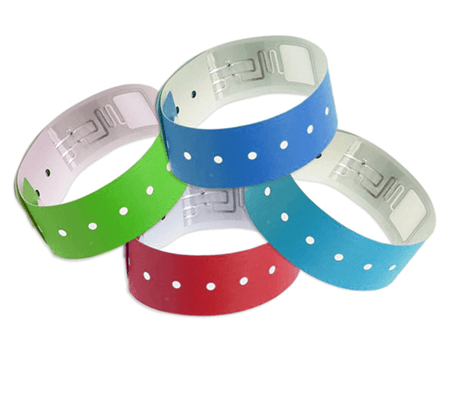
Material Selection for Australian Healthcare
- Vinyl Wristbands: Recommended for hospitals and emergency departments due to superior waterproof and chemical resistance.
- PET Wristbands: Suitable for pathology labs and long-term care facilities.
- Tyvek Wristbands: Best limited to short-term outpatient use.
Regulatory Alignment
- National Safety and Quality Health Service (NSQHS) Standards
- State-level health authority identification policies
Fulida Case Study – Australian Public Hospital
A metropolitan hospital reported barcode smudging caused by humidity and frequent hand sanitization. Fulida introduced moisture-resistant vinyl thermal wristbands, eliminating unreadable barcodes and reducing admission delays.
Why Choose Fulida – Australia
Fulida wristbands are designed for Australia’s high-humidity environments, validated with thermal printers used across public and private healthcare systems.
Conclusion
Across the United States, Canada, and Australia, selecting thermal printing medical wristbands requires careful alignment between printer technology, material engineering, and regulatory expectations. Fulida provides region-optimized solutions that ensure reliable printing, long-term readability, and patient safety compliance.