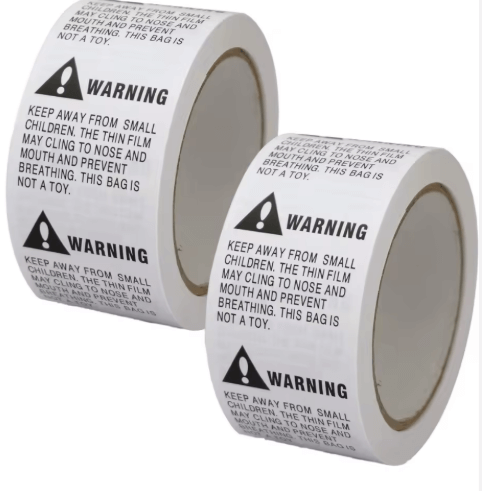
Learn how to design and order custom warning sticker labels for electronics, using PET, vinyl, and polypropylene materials for durability, compliance, and adhesion.
This article explains how QR codes enhance product traceability across manufacturing, healthcare, laboratories, food, and event industries. It covers QR code labeling materials, printing technologies, data architecture, and a Fulida engineering case study, helping North American businesses build accurate, scalable, and audit-ready traceability systems.
This guide explains how to select short-run labels that balance cost efficiency and material performance for North American industries. It covers core label materials, printing technologies, durability trade-offs, and a Fulida engineering case study, helping manufacturers, laboratories, and brand owners achieve reliable labeling without unnecessary overspending.
Cold storage and warehouse environments are among the most challenging conditions for labels.
Choosing the wrong material leads to label failure, peeling, or unreadable information. That’s why selecting the right cold storage labels is critical.
Warehouses operating under lean principles require labeling systems that adapt quickly without waste. A reusable warehouse labeling system improves flexibility, reduces cost, and supports continuous improvement.
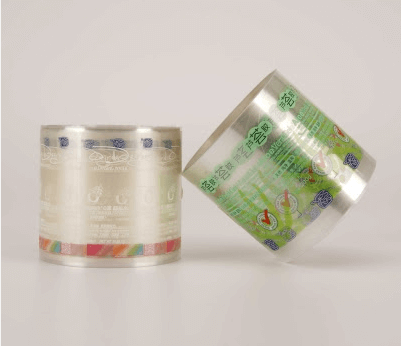
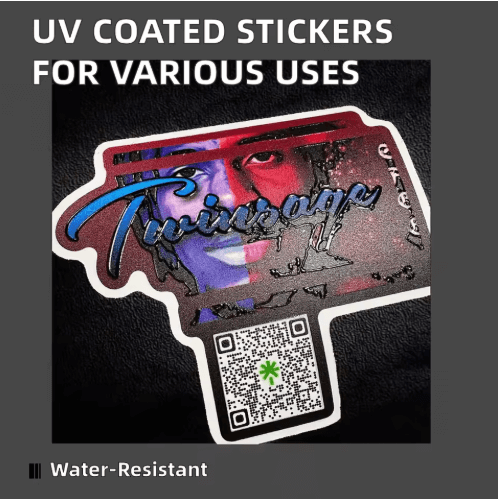
In today’s competitive beauty, beverage, and lifestyle industries, brands are constantly searching for creative ways to stand out while maintaining a clean and professional product appearance. One solution continues to gain popularity across cosmetics, skincare, food packaging, and business branding: custom UV transparent PET stickers.
In the electronics and electrical industry, product labeling plays a critical role in ensuring safety, compliance, traceability, and long-term performance. As global manufacturers increasingly require labels that withstand extreme environments, durable electronic labels have become essential for meeting international standards and maintaining product reliability.