
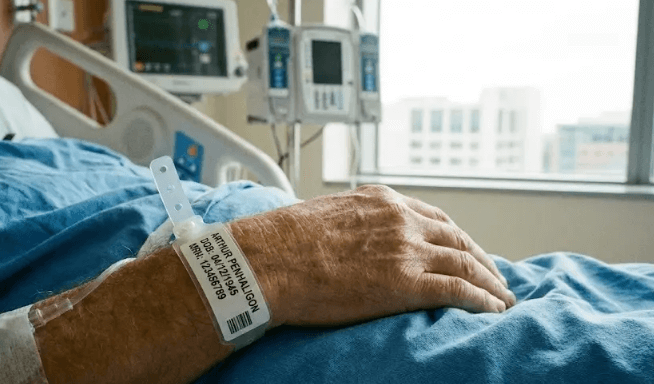
Medical Wristbands play a vital role in patient identification beyond large hospitals. In Canada, clinics and laboratories manage high volumes of outpatient visits, diagnostic testing, and short-duration procedures where accurate identification and specimen matching are essential. Unlike inpatient environments, clinics and laboratories prioritize speed, barcode accuracy, and system compatibility while still requiring durable and patient-safe identification solutions.
As Canadian healthcare facilities continue to expand digital health records and laboratory information systems, Patient ID Wristbands have become an integral part of clinic and laboratory workflows. The correct wristband material and printing technology directly affect barcode scan success, staff efficiency, and error reduction.
Core Materials Used
Medical Wristbands used in Canadian clinics and laboratories are typically engineered for short-to-medium duration wear with strong emphasis on print clarity and moisture resistance.
PET Medical Wristbands are widely used as Thermal Printing Wristbands due to their smooth surface and consistent heat response. PET materials support high-resolution barcode and text printing, making them ideal for specimen collection, patient check-in, and diagnostic workflows.
Vinyl Medical Wristbands are also used in certain clinic environments where slightly longer wear duration or higher mechanical durability is required. Medical-grade vinyl remains waterproof and latex-free, ensuring patient comfort and safety.
Tyvek wristbands may be used for very short-term identification in temporary screening or community testing programs, though their limited moisture resistance restricts their use in laboratory settings.
Material Performance Characteristics
Barcode reliability is the most critical performance requirement in clinics and laboratories. Barcode Wristbands must maintain high contrast and scannability from patient registration through specimen collection and analysis.
Thermal Printing Wristbands based on PET materials provide excellent print stability, reducing scan failures and manual data entry. This is particularly important in Canadian laboratories where specimen misidentification can lead to repeat testing and delayed diagnoses.
Waterproof and chemical resistance are also essential. Wristbands are frequently exposed to handwashing, alcohol wipes, and cleaning agents used in clinics and diagnostic centers. Waterproof Latex-free Wristbands help ensure patient information remains legible throughout the visit.
Comfort and flexibility are important for outpatient settings. Wristbands should be lightweight, smooth, and non-irritating, especially for elderly patients and children.
fulida Case Study — Canadian Clinic and Laboratory Application
A network of outpatient clinics and affiliated laboratories in Canada experienced recurring barcode scan issues during specimen collection. Wristbands printed at patient registration often showed reduced barcode contrast after hand hygiene procedures, increasing manual verification steps.
Fulida conducted a workflow analysis and recommended PET-based Thermal Printing Wristbands optimized for high barcode density and moisture resistance. The wristbands were fully latex-free and compatible with the clinics’ existing thermal printers and laboratory scanners.
After deployment, barcode scan success rates improved significantly, specimen labeling errors decreased, and staff workflow efficiency increased. The solution was standardized across multiple clinic locations and partner laboratories.
Material Parameter Table
| Parameter | PET Medical Wristbands | Vinyl Medical Wristbands | Tyvek Medical Wristbands |
|---|---|---|---|
| Waterproof Performance | Excellent | Excellent | Limited |
| Thermal Print Quality | Very High | High | Moderate |
| Barcode Stability | Very High | High | Low |
| Chemical Resistance | High | High | Low |
| Patient Comfort | Good | Excellent | Moderate |
| Typical Use Duration | Short to Medium Term | Medium Term | Short Term |
Application Scenarios Across Clinics and Laboratories
In medical clinics, Barcode Wristbands support fast patient check-in, treatment verification, and short procedures.
Diagnostic laboratories rely on Thermal Printing Wristbands to ensure accurate specimen-to-patient matching throughout the testing process.
Specialty clinics and imaging centers benefit from PET-based wristbands that integrate seamlessly with laboratory information systems.
Community testing programs may use Tyvek wristbands for temporary identification where cost control is a primary concern.
FAQ
Which wristband material is best for Canadian clinics? PET Medical Wristbands are generally preferred due to their superior barcode clarity and thermal print performance.
Are vinyl wristbands necessary for laboratories? Vinyl wristbands may be used when additional durability is required, but PET wristbands are typically sufficient for laboratory workflows.
Do clinic wristbands need to be latex-free? Yes. Latex-free materials are strongly recommended to minimize allergy risks and support patient safety.
Why Choose Fulida
Fulida is an experienced OEM supplier of Medical Wristbands for clinics and laboratories in Canada. With an engineering-driven approach, Fulida designs Patient ID Wristbands optimized for barcode accuracy, print stability, and workflow efficiency.
By offering PET and vinyl wristband solutions compatible with Canadian healthcare systems, Fulida helps clinics and laboratories reduce identification errors and improve operational reliability.