
Introduction
In healthcare environments, ensuring accurate patient identification is crucial for delivering safe and effective care. Medical patient wristbands are a key component in improving identification accuracy, enhancing workflow, and preventing medical errors. These wristbands are designed to ensure quick, reliable identification of patients, even in fast-paced settings like emergency rooms, outpatient clinics, and inpatient care units.
Medical wristbands offer several advantages, including durability, waterproof capabilities, and customizable printing for patient details, barcodes, or QR codes. By integrating these wristbands into daily hospital practices, healthcare providers can streamline administrative tasks and focus more on patient care.
In this article, we’ll explore the different types of medical wristbands, their uses, and how they contribute to better patient safety and hospital efficiency.

Core Materials Used
Durable Materials for Healthcare Environments
Medical wristbands are available in a variety of materials to meet the diverse needs of healthcare facilities. The most commonly used materials include:
- Tyvek Wristbands: Lightweight and tear-resistant, Tyvek wristbands are ideal for short-term use, providing a secure, comfortable, and cost-effective solution for patient identification.
- Vinyl Wristbands: Known for their durability, vinyl wristbands are suitable for longer-term use. These wristbands are waterproof and resistant to wear and tear, ensuring they stay intact during patient care.
- Fabric Wristbands: Offering comfort and durability, fabric wristbands are ideal for extended hospital stays and can be easily customized with patient information.
- Plastic (PET) Wristbands: Durable and resistant to stretching, plastic wristbands are often used in hospitals that require a higher level of patient identification and safety.
Waterproof and Tear-Resistant Features
Medical wristbands must withstand exposure to water, moisture, and frequent handling. Many wristbands are designed to be waterproof and tear-resistant, ensuring they maintain their integrity even when exposed to high levels of humidity, handwashing, or other environmental factors.
- Waterproof: Essential for patient comfort and functionality, waterproof wristbands prevent degradation due to sweat, rain, or spills.
- Tear-Resistant: The tear-resistant nature of medical wristbands ensures that they won’t easily rip or break, even in active environments.
Material Performance Characteristics
Comfort and Security
Medical wristbands are designed to balance comfort with security. These wristbands need to be adjustable, comfortable, and secure, so patients can wear them for extended periods without discomfort, while also ensuring they can’t be tampered with or removed without visible signs.
- Adjustable: Wristbands with adjustable closures ensure a secure fit for patients of all wrist sizes.
- Comfortable Fit: Many materials used for wristbands are soft and flexible, preventing irritation or chafing during long hospital stays.
- Tamper-Evident Features: Many wristbands come with tamper-proof closures to prevent unauthorized removal, ensuring that once applied, they stay on securely.
Accurate Identification
Custom printing on medical wristbands provides clear identification for patients, helping healthcare providers avoid medical errors. Wristbands can be printed with essential information such as:
- Patient ID Numbers: Unique identifiers that match hospital records.
- Barcodes: Barcodes can be scanned quickly to access patient information, reducing human error.
- QR Codes: QR codes can be scanned by mobile devices to access patient records, prescriptions, or test results.
- Patient Name and Information: Printed names, dates of birth, allergies, and other critical patient details can be included for immediate reference.
RFID and Barcode Integration
For advanced tracking and real-time information updates, RFID (Radio Frequency Identification) and barcode wristbands are increasingly used in medical settings. These wristbands allow healthcare staff to quickly and accurately access patient data, track patient movement, and streamline workflows.
- RFID Wristbands: Equipped with embedded RFID tags, these wristbands enable quick, contactless scanning of patient data, improving patient tracking and security.
- Barcode Wristbands: Barcodes allow healthcare workers to easily scan patient details, medications, and treatment history, ensuring accurate identification and medication administration.
Benefits of Medical Patient Wristbands
1. Enhanced Patient Safety
Patient safety is the primary concern in healthcare settings, and medical wristbands play a key role in reducing misidentification risks. By ensuring accurate patient identification, medical wristbands help prevent medication errors, mix-ups in surgical procedures, and other serious safety concerns.
- Tamper-Evident: Many wristbands feature tamper-evident seals to ensure that the wristband cannot be removed without detection.
- Quick Identification: Wristbands provide quick access to critical patient information, ensuring faster and more accurate medical responses.
2. Improved Hospital Workflow Efficiency
By integrating barcode or RFID wristbands into hospital systems, medical facilities can streamline patient management and administrative tasks. This includes faster admission processes, accurate patient tracking, and real-time updates on patient status.
- Faster Patient Admissions: Patient wristbands with pre-printed information reduce the time spent on entering data manually, speeding up the overall admission process.
- Real-Time Data Access: Healthcare providers can instantly access patient records by scanning wristbands, ensuring the most up-to-date information is available during treatments.
3. Reduced Cross-Contamination and Infection Risk
Many medical wristbands are designed to be disposable, reducing the risk of cross-contamination between patients. Single-use wristbands ensure that no patient reuses a wristband, helping to maintain strict infection control protocols in hospitals and clinics.
- Single-Use: Disposable wristbands are ideal for emergency departments and outpatient clinics, where patients may only need identification for a short period.
- Hygienic: Waterproof and latex-free options reduce irritation and exposure to allergens, making them safer for patients with sensitive skin.
4. Compliance with Healthcare Regulations
Medical wristbands ensure that healthcare facilities are compliant with healthcare standards and regulations. They help meet patient safety requirements outlined by regulatory bodies like The Joint Commission and HIPAA by providing clear, accurate, and tamper-proof identification.
- HIPAA Compliance: Wristbands with encrypted or barcode information help healthcare providers comply with patient privacy regulations, ensuring secure access to personal health data.
- Regulatory Standards: Medical wristbands ensure that information such as patient name, ID number, and emergency contacts are correctly displayed.
5. Customizability for Specific Needs
Custom medical wristbands can be designed to meet the unique needs of any healthcare environment. From color-coded wristbands for different departments or conditions to wristbands designed for specialized uses (e.g., pediatric or neonatal care), customization helps hospitals and clinics meet specific patient needs.
- Color-Coding: Color-coded wristbands can quickly identify patients with specific conditions, such as allergies, fall risks, or special dietary needs.
- Information-Rich Design: Custom wristbands allow hospitals to print detailed information about patient status, ensuring staff have all the data they need at a glance.
Fulida Case Study — Medical Wristbands for a Hospital Network
Client Background
A large hospital network required a more efficient way to manage patient identification across multiple facilities. The network struggled with misidentification errors, especially during high patient volumes in emergency rooms and ICUs.
Engineering Challenges
The hospital network needed:
- A system that would reduce misidentification during high-traffic periods.
- A solution that could integrate with existing Electronic Health Records (EHR) and hospital management systems.
- Waterproof and tear-resistant wristbands for longer-term patient monitoring.
Fulida Solution
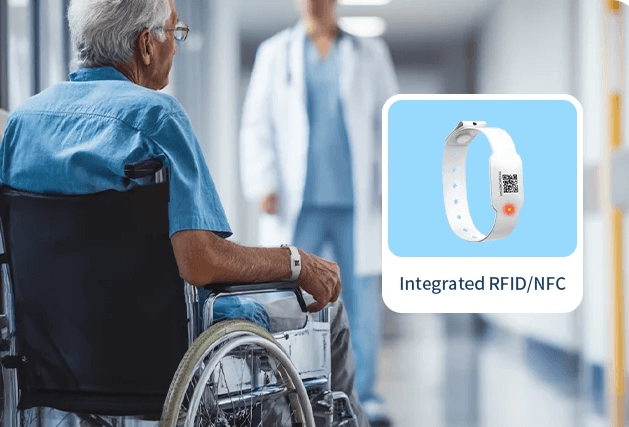
Fulida provided a range of RFID-enabled medical wristbands for long-term patients, along with color-coded Tyvek wristbands for emergency cases. The RFID wristbands were linked directly to the hospital’s EHR system, ensuring real-time updates on patient status.
Results and Impact
- Improved Patient Safety: The integration of RFID wristbands eliminated misidentification issues and improved safety across the hospital network.
- Increased Workflow Efficiency: Quick scanning of wristbands allowed for faster patient tracking and real-time data access, reducing wait times and administrative burden.
- Enhanced Infection Control: Disposable wristbands ensured infection control protocols were maintained, reducing cross-contamination risks.
Material Parameter Table
| Feature | Tyvek Wristbands | Vinyl Wristbands | RFID Wristbands | Fabric Wristbands |
|---|---|---|---|---|
| Durability | High | Very High | Very High | High |
| Waterproof | Yes | Yes | Yes | Yes |
| Customization | Full-Color Printing | Full-Color Printing, Barcodes | RFID Tags, Full-Color Printing | Full-Color Printing |
| Ideal Use | Short-Term, High-Volume | Long-Term, Patient Tracking | Long-Term, Secure Identification | Extended Use, Comfort |
Application Scenarios Across Industries
- Hospitals and Clinics: Patient identification, workflow management, and tracking for hospital wards, ERs, and outpatient centers.
- Emergency Rooms: Quick identification of patients in high-pressure environments.
- Elderly Care: Secure identification for elderly patients in nursing homes and long-term care facilities.
- Maternity Wards: Identifying mothers and newborns to prevent mix-ups and ensure safety.
- Medical Events: Identifying participants in clinical trials or health screenings.
FAQ
Are medical wristbands reusable?
No, most medical wristbands are single-use to prevent cross-contamination and maintain hygiene in healthcare settings.
Can medical wristbands include QR codes or barcodes?
Yes, QR codes and barcodes can be printed on wristbands for quick scanning and real-time access to patient information.
Are there eco-friendly options for medical wristbands?
Yes, there are eco-friendly medical wristbands made from recyclable materials such as PET plastic or biodegradable options.