
Introduction
Short labels are no longer a niche requirement. In North America, they are a core operational need across industries such as medical devices, laboratories, consumer goods, electronics manufacturing, and regulated packaging. Product version updates, regulatory changes, pilot production, seasonal campaigns, and multi-SKU management all demand labels in limited quantities with fast turnaround.
The challenge lies in achieving affordability without compromising functional quality. Selecting labels based solely on unit price often leads to downstream costs caused by adhesion failure, barcode scan errors, or premature material degradation. A technically sound short label strategy focuses on total cost of ownership rather than initial price alone.
This Affordable Yet High-Quality Short Label Selection Guide provides an engineering-oriented framework for evaluating materials, printing methods, and application conditions. It is designed to help buyers make informed decisions that align performance with actual usage, avoiding both overengineering and underperformance.
PET Label Materials
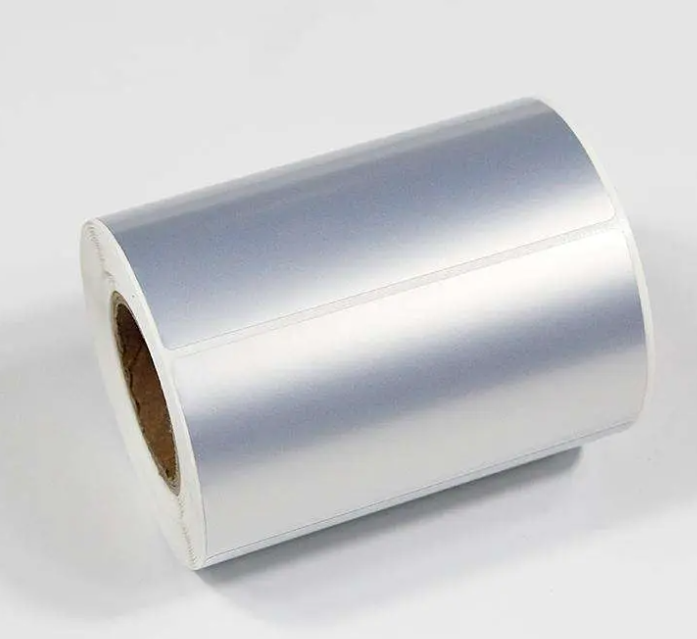
PET labels are among the most widely used materials for short-run applications that require dimensional stability and durability. Polyester films offer high tensile strength, resistance to moisture, and consistent surface properties for precision printing.
In short runs, PET is commonly selected for applications involving barcodes, QR codes, serial numbers, or compliance information. Its stability ensures that printed data remains readable even when exposed to handling, temperature variation, or light chemical contact.
PET labels are frequently used in medical, laboratory, and electronics environments where reliability is prioritized but production volumes remain low.
PVC Label Materials
PVC labels are a cost-effective option for short-run projects where moderate durability is sufficient. Vinyl materials provide good flexibility and print receptivity, making them suitable for packaging, promotional labeling, and internal identification.
For short-term or indoor use, PVC labels offer an effective balance between affordability and performance. Their flexibility allows application on curved or irregular surfaces, reducing installation errors during fast-paced operations.
While PVC has lower heat resistance than PET, it remains a practical choice when environmental exposure is controlled.
Paper-Based Label Materials
Paper labels continue to play a role in short-run labeling, particularly for temporary identification, logistics, and promotional use. Coated paper labels support high-quality digital printing at the lowest material cost.
However, paper is inherently sensitive to moisture, abrasion, and chemicals. Its use should be limited to dry, low-contact environments where label lifespan is short and replacement is acceptable.
Adhesive Systems
Adhesives are often underestimated in short label selection. Acrylic adhesives are commonly used due to their balanced performance across temperature ranges and substrates. Rubber-based adhesives provide high initial tack for rough or low-energy surfaces but may degrade faster over time.
Matching adhesive chemistry to surface type and exposure conditions is critical for maintaining label integrity throughout its intended lifecycle.
Material Performance Characteristics
Print Quality and Data Integrity
Short-run labels frequently carry variable data, including batch numbers, expiration dates, and regulatory identifiers. Materials such as PET labels provide smooth, consistent surfaces that support high-resolution digital printing labels and thermal transfer labels.
Clear edge definition and stable ink adhesion reduce scanning failures and misreads, which are common hidden costs in poorly specified short labels.
Durability Versus Cost Optimization
The key to affordability is not choosing the cheapest material, but selecting the least expensive option that meets performance requirements. Over-specifying materials for low-exposure applications leads to unnecessary cost, while under-specifying results in label failure and rework.
An engineering-led evaluation considers moisture exposure, abrasion frequency, temperature range, and chemical contact. Aligning material performance with actual conditions ensures cost efficiency without sacrificing reliability.
Printing Technology Compatibility
Short-run labels are most commonly produced using digital printing labels due to the absence of plate costs and minimal setup time. This makes digital printing ideal for quantities ranging from hundreds to a few thousand units.
For applications requiring long-term durability or resistance to solvents and abrasion, thermal transfer labels may be selected even in short runs. PET and certain PVC materials are well-suited to this printing method.
Regulatory and Compliance Considerations
In regulated industries such as healthcare, laboratories, and industrial manufacturing, labels must meet legibility and adhesion standards. Material selection at the short-run stage should anticipate audits, traceability requirements, and potential regulatory scrutiny.
Failure to consider compliance early often leads to costly redesigns or relabeling efforts.
Fulida Case Study — Short Label Optimization Across Industrie
Client Background
A North American manufacturer supplying medical devices, consumer electronics, and specialty packaging required frequent short-run labels for pilot production, engineering validation, and regulatory updates. Order quantities typically ranged from 500 to 3,000 labels per version.
Engineering Challenges
The client encountered several recurring issues:
- High per-unit costs for low-volume orders
- Inconsistent label performance across suppliers
- Barcode readability problems on low-cost materials
- Long lead times caused by traditional printing setups
These challenges disrupted production schedules and increased operational overhead.
Fulida Solution
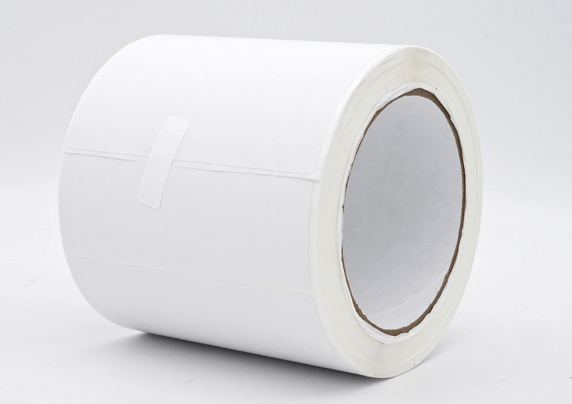
Fulida conducted a material and application audit to segment label requirements by environment and lifespan. PET labels were specified for medical and electronics applications requiring stable barcode performance. PVC labels were selected for packaging and internal tracking where flexibility and cost efficiency were prioritized.
Digital printing was implemented for most short runs to eliminate tooling costs, while thermal transfer printing was reserved for labels exposed to abrasion or chemical contact. Adhesive systems were matched to surface energy and operating temperature.
Results and Impact
The optimized short label strategy delivered measurable improvements:
- Lower average cost per label without sacrificing quality
- Improved barcode scan reliability across applications
- Faster turnaround for engineering and regulatory changes
- Reduced supplier complexity and inventory waste
Material Parameter Table
| Parameter | PET Labels | PVC Labels | Paper Labels |
|---|---|---|---|
| Durability | High | Medium | Low |
| Moisture Resistance | Excellent | Good | Poor |
| Print Compatibility | Digital, Thermal Transfer | Digital, Thermal Transfer | Digital |
| Typical Lifespan | Long-term | Short to medium-term | Short-term |
| Cost Efficiency | Medium | High | Very High |
Application Scenarios Across Industries
In hospitals and laboratories, short run labels made from PET are used for specimen tracking, compliance updates, and pilot studies. Industrial manufacturers apply short labels for equipment identification, process validation, and internal logistics.
Consumer brands rely on custom label printing for seasonal packaging, limited editions, and market testing. Startups and contract manufacturers benefit from flexible short-run solutions that support rapid iteration without high upfront investment.
FAQ
What defines a short-run label order?
Short runs typically involve quantities from a few hundred to several thousand labels, depending on material and printing method.
Are digital printing labels suitable for industrial use?
Yes, when paired with appropriate materials such as PET and matched adhesives, digital printing labels can meet many industrial requirements.
How can I reduce short label costs without losing quality?
Focus on matching material durability to real-world exposure rather than worst-case assumptions.
Can short-run labels support barcodes and QR codes?
Properly selected materials and printing methods ensure reliable barcode and QR code performance.
Why Choose Fulida
Fulida approaches short run labels from a materials engineering and cost-optimization perspective. By analyzing application environments, printing requirements, and lifecycle expectations, Fulida delivers labeling solutions that are both affordable and reliable.
For North American customers, this means faster response times, controlled costs, and labels that perform as intended—without unnecessary overengineering or compromise.