
Introduction
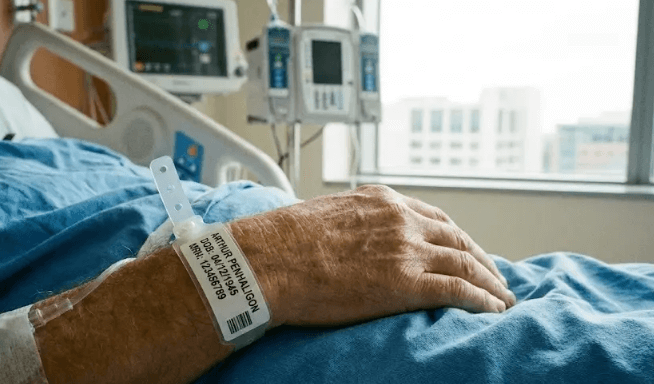
Hospital Medical Wristbands play a critical role in patient identification across the Australian healthcare system. In public hospitals, private hospitals, and regional medical centres, accurate patient identification underpins medication safety, diagnostic accuracy, and continuity of care. As Australian hospitals continue to adopt digital health records and barcode-driven workflows, the performance of Patient ID Wristbands has become a core operational concern rather than a simple consumable choice.
In Australia, hospital wristbands must perform reliably under frequent handwashing, alcohol-based disinfectant exposure, and extended wear durations. They must also align with local healthcare procurement standards, infection control guidelines, and compatibility requirements for commonly used thermal printing systems. Material engineering and print stability therefore directly affect clinical efficiency and patient safety outcomes.
Core Materials Used
Hospital Medical Wristbands used in Australia are typically manufactured from a limited set of materials that have been validated for medical environments.
Vinyl Medical Wristbands are widely adopted due to their durability, waterproof performance, and flexibility. Medical-grade vinyl is latex-free and skin-safe, making it suitable for inpatient wards, emergency departments, and surgical recovery units where wristbands may be worn continuously for several days.
PET-based synthetic materials are commonly used in Thermal Printing Wristbands. These materials provide consistent thermal response, enabling clear printing of patient names, medical record numbers, and barcodes at admission points. PET substrates also offer strong resistance to moisture and cleaning chemicals.
Tyvek wristbands may be used for short-term identification in outpatient clinics or temporary overflow settings. However, their lower resistance to moisture limits their suitability for long-stay hospital use in Australia.
RFID Wristbands integrate embedded inlays within vinyl or PET materials, supporting contactless patient identification and location tracking in technologically advanced Australian hospitals.
Material Performance Characteristics
Australian hospital environments impose specific performance requirements on medical wristbands.
Waterproof and chemical resistance are essential. Wristbands must remain readable after repeated exposure to handwashing, showering, and disinfectant wipes used in Australian hospitals. Waterproof Latex-free Wristbands significantly reduce barcode degradation and replacement frequency.
Thermal print stability is critical for Barcode Wristbands. Inconsistent coating or poor material selection can lead to fading barcodes, increasing manual verification steps for nursing staff. High-quality Thermal Printing Wristbands maintain contrast and scan reliability throughout the patient stay.
Mechanical durability and secure closure design prevent accidental removal or tampering. Snap-lock or adhesive closure systems are commonly used to support patient safety and reduce misidentification risks.
Patient comfort and biocompatibility are also important considerations, particularly for elderly care, paediatric wards, and maternity units where skin sensitivity may be higher.
fulida Case Study — Australian Hospital Application
An Australian metropolitan hospital experienced challenges with patient wristband durability during extended inpatient stays. Barcode fading and material cracking were observed after repeated exposure to disinfectants and daily hygiene routines.
The hospital relied on direct thermal Patient ID Wristbands printed at admission. Engineering review identified that the existing material lacked sufficient waterproof coating stability for Australian hospital cleaning protocols.
Fulida worked with the hospital’s procurement and clinical engineering teams to introduce a vinyl-based Thermal Printing Wristband engineered for improved chemical resistance and print longevity. The new wristband material was fully latex-free and compatible with the hospital’s existing thermal printers.
After implementation, the hospital reported improved barcode scan consistency, reduced wristband replacement rates, and smoother medication administration workflows. The solution was subsequently adopted across multiple departments, including emergency, surgical, and inpatient wards.
Material Parameter Table
| Parameter | Vinyl Medical Wristbands | PET Thermal Wristbands | RFID Vinyl Wristbands |
|---|---|---|---|
| Waterproof Performance | Excellent | Excellent | Excellent |
| Chemical Resistance | High | High | High |
| Thermal Print Compatibility | Good | Excellent | Good |
| Barcode Durability | High | Very High | High |
| RFID Capability | No | Optional | Yes |
| Skin Safety | Latex-free | Latex-free | Latex-free |
| Typical Use Duration | Medium to Long Term | Medium Term | Medium to Long Term |
Application Scenarios Across Australian Healthcare
Hospital Medical Wristbands are used across diverse healthcare settings in Australia.
In large public hospitals, Barcode Wristbands support medication administration, patient transfers, and surgical verification. Emergency departments rely on durable vinyl wristbands to withstand high patient turnover and environmental stress.
Private hospitals and outpatient clinics benefit from Thermal Printing Wristbands that integrate efficiently with electronic medical record systems.
Diagnostic laboratories use barcode-compatible wristbands to ensure accurate specimen matching and traceability.
Hospitals implementing digital transformation initiatives increasingly deploy RFID Wristbands for patient flow monitoring and access control within large facilities.
FAQ
What materials are recommended for Hospital Medical Wristbands in Australia? Vinyl and PET-based materials are preferred due to their waterproof performance, chemical resistance, and patient comfort.
Are latex-free wristbands necessary in Australian hospitals? Yes. Latex-free materials are strongly recommended to reduce allergy risks and align with hospital safety guidelines.
Can Fulida wristbands work with existing hospital printers in Australia? Fulida Thermal Printing Wristbands are engineered for compatibility with commonly used hospital thermal printers, minimizing workflow disruption.
Why Choose Fulida
Fulida is an experienced OEM supplier of Hospital Medical Wristbands for the Australian market. With a strong focus on material engineering and print performance, Fulida designs Patient ID Wristbands that support clinical safety, operational efficiency, and long-term reliability.
By offering barcode and RFID-compatible solutions tailored to Australian hospital workflows, Fulida helps healthcare providers reduce misidentification risks and improve patient care outcomes through dependable identification systems.