
Introduction
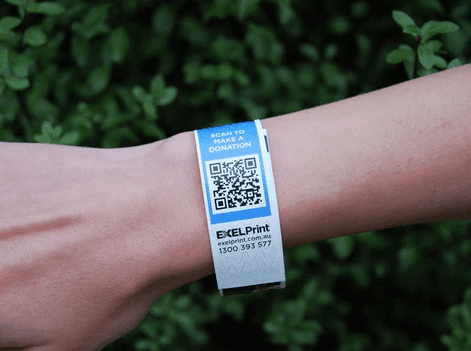
Hospital Medical Wristbands are a foundational component of patient identification systems in the United States healthcare environment. From large urban hospitals to regional medical centers and outpatient facilities, accurate patient identification directly impacts clinical safety, medication administration, specimen handling, and regulatory compliance. In the U.S. market, patient ID wristbands must perform reliably under continuous wear, frequent handwashing, disinfectant exposure, and high-throughput workflows while remaining compatible with modern hospital information systems.
Unlike generic identification products, Hospital Medical Wristbands used in the United States are engineered to support barcode scanning, thermal printing, and increasingly RFID-based workflows. They must align with U.S. healthcare operational standards, HIPAA-driven data handling practices, and infection control protocols. Material selection and printing technology therefore play a critical role in minimizing misidentification risks and maintaining readable patient data throughout the care cycle.
Core Materials Used
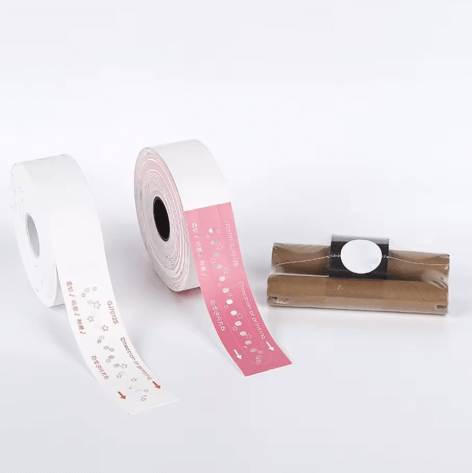
Modern Hospital Medical Wristbands in the United States are manufactured using several core material categories, each optimized for specific clinical scenarios and patient populations.
Vinyl remains one of the most widely adopted materials for Patient ID Wristbands due to its balance of flexibility, durability, and waterproof performance. Medical-grade vinyl wristbands are latex-free and skin-safe, making them suitable for long-term inpatient use, including emergency departments and surgical wards.
PET-based synthetic materials are increasingly used in Thermal Printing Wristbands. These materials offer excellent print receptivity for direct thermal and thermal transfer printing while maintaining resistance to water, alcohol-based disinfectants, and mechanical abrasion.
Tyvek wristbands are occasionally used for short-term identification scenarios, such as outpatient procedures or overflow triage settings, where cost efficiency and rapid deployment are priorities. However, their paper-like structure limits long-term durability in high-moisture hospital environments.
Advanced RFID Wristbands integrate an embedded inlay within vinyl or PET substrates, enabling contactless patient tracking, access control, and asset association in digitally mature U.S. hospitals.
Material Performance Characteristics
Performance requirements for Hospital Medical Wristbands in the United States are driven by real-world clinical conditions rather than theoretical specifications.
Waterproof and chemical resistance are essential characteristics. Wristbands must remain legible after repeated exposure to handwashing, showering, alcohol wipes, and disinfectant solutions commonly used in U.S. hospitals. Waterproof Latex-free Wristbands significantly reduce barcode degradation and data loss over extended patient stays.
Print stability is another critical factor. Thermal Printing Wristbands used in U.S. healthcare rely on consistent heat response and coating uniformity to produce high-contrast barcodes and text. Poor material selection can lead to fading, barcode scan failures, and increased nurse workload.
Mechanical strength and tamper resistance are equally important. Secure snap closures and tear-resistant substrates prevent accidental removal or patient tampering, supporting accurate patient identification across transfers between departments.
Biocompatibility and patient comfort must not be overlooked. Materials must be smooth, flexible, and non-irritating, especially for neonatal, pediatric, and geriatric patients who may wear wristbands continuously for extended periods.
fulida Case Study — U.S. Hospital Application
A mid-sized hospital network in the United States operating across multiple states faced recurring patient identification issues related to barcode readability and wristband failure during long inpatient stays.
The hospital relied on direct thermal Patient ID Wristbands printed at admission. However, frequent exposure to disinfectants and daily hygiene routines caused barcode fading within three to five days, increasing the risk of medication administration errors and specimen mislabeling.
Engineering analysis identified material coating inconsistency and insufficient waterproof performance as the root causes. Fulida collaborated with the hospital’s IT and nursing teams to redesign the wristband specification using a vinyl-based thermal printing substrate optimized for U.S. hospital workflows.
The solution incorporated a waterproof, latex-free vinyl material with enhanced thermal coating stability, compatible with existing Zebra and SATO thermal printers. Secure snap closures were added to reduce accidental removal, and barcode contrast was optimized for both handheld scanners and bedside medication verification systems.
Post-deployment results showed a measurable reduction in barcode scan failures, improved nurse workflow efficiency, and enhanced compliance with internal patient safety protocols. The hospital subsequently standardized the Fulida wristband specification across its network.
Material Parameter Table
| Parameter | Vinyl Medical Wristbands | PET Thermal Wristbands | RFID Vinyl Wristbands |
|---|---|---|---|
| Waterproof Performance | Excellent | Excellent | Excellent |
| Chemical Resistance | High | High | High |
| Thermal Print Compatibility | Good | Excellent | Good |
| Barcode Durability | High | Very High | High |
| RFID Capability | No | Optional | Yes |
| Skin Safety | Latex-free | Latex-free | Latex-free |
| Typical Use Duration | Medium to Long Term | Medium Term | Medium to Long Term |
Application Scenarios Across U.S. Healthcare
Hospital Medical Wristbands in the United States are used across a wide range of clinical environments.
In acute care hospitals, Barcode Wristbands support medication administration, patient transfer, and surgical verification processes. In emergency departments, durable vinyl wristbands withstand rapid triage workflows and environmental stress.
Outpatient clinics and diagnostic centers benefit from Thermal Printing Wristbands that integrate seamlessly with electronic health record systems while maintaining short-term durability.
Laboratories rely on barcode-compatible wristbands to ensure accurate specimen matching and chain-of-custody integrity.
Advanced healthcare systems increasingly deploy RFID Wristbands for patient flow tracking, access control, and real-time location services, particularly in large U.S. medical campuses.
FAQ
What materials are most commonly used for Hospital Medical Wristbands in the United States? Vinyl and PET-based materials are the most commonly used due to their waterproof performance, print stability, and patient comfort.
Are U.S. hospital wristbands required to be latex-free? Yes. Latex-free materials are strongly preferred in U.S. healthcare environments to reduce allergy risks and support patient safety standards.
Can existing thermal printers be used with new wristband materials? Most Fulida Thermal Printing Wristbands are engineered to be compatible with common U.S. hospital printers, minimizing infrastructure changes.
Why Choose Fulida
Fulida is an experienced OEM manufacturer specializing in Hospital Medical Wristbands for the United States market. With deep material engineering expertise, Fulida designs Patient ID Wristbands that balance durability, comfort, and print performance.
Fulida supports barcode and RFID wristband solutions tailored to U.S. hospital workflows, ensuring compatibility with existing systems while addressing real clinical pain points. Stable quality control, scalable production capacity, and engineering-driven customization make Fulida a reliable long-term partner for healthcare providers and medical distributors across the United States.