
Introduction
In today’s fast-paced industrial environments, effective inventory management and asset tracking are critical to improving operational efficiency and minimizing errors. Industrial barcode labels are a key component in ensuring accurate tracking, efficient warehouse operations, and regulatory compliance. These high-performance labels, which are often used in warehouses, manufacturing plants, and logistics operations, offer a simple yet effective solution for monitoring products, machinery, and inventory in real-time.
Industrial barcode labels can be customized to meet the specific needs of each business, offering durability, versatility, and functionality. By integrating barcode labels into your operations, you can streamline workflows, enhance productivity, and ensure compliance with industry standards.
This article will explore the benefits of industrial barcode labels, the materials used to make them, and their role in modern industrial applications.
Core Materials Use
Durable Materials for Harsh Environments
Industrial barcode labels must be able to withstand a variety of challenging environments, including exposure to chemicals, moisture, abrasion, and extreme temperatures. The materials used for barcode labels are selected to meet these durability requirements and ensure reliable performance in industrial settings.
- Polyester (PET) Labels: Polyester is a popular choice for industrial barcode labels because of its resistance to chemicals, moisture, and heat. These labels are highly durable and suitable for harsh environments.
- Vinyl Labels: Vinyl labels are often used in outdoor applications or where the label must endure exposure to oils, dirt, and weather conditions. They are flexible, waterproof, and resistant to abrasions.
- Polypropylene Labels: Polypropylene is another durable material used for industrial barcode labels. It is resistant to moisture, chemicals, and high temperatures, making it a great option for heavy-duty industrial applications.
- Paper Labels: While paper labels are commonly used for lighter applications, they can be coated for moisture and chemical resistance. Paper labels are cost-effective and ideal for indoor settings or applications with less exposure to harsh conditions.
Adhesive Options for Industrial Barcode Labels
The adhesive used on industrial barcode labels must ensure that the label stays securely in place during all phases of the product lifecycle, from manufacturing and shipping to storage and retail. The main types of adhesives used for industrial barcode labels include:
- Permanent Adhesive: Ideal for labels that must stay attached for the long term, such as asset tracking and inventory management labels.
- Removable Adhesive: Used when the label needs to be removed without leaving a residue, making it ideal for temporary applications like shipping or packaging.
- High-Temperature Adhesive: These adhesives are designed to withstand high temperatures, making them suitable for applications like automotive parts or electronics manufacturing.
Material Performance Characteristics
Durability and Resistance
Industrial barcode labels need to be rugged and able to withstand various environmental factors. Some of the most important characteristics of industrial barcode labels include:
- Chemical Resistance: Barcode labels need to resist harsh chemicals, such as solvents, oils, and cleaning agents, commonly used in industrial environments.
- Waterproof and Moisture Resistance: These labels must perform in damp or humid environments without peeling or fading, ensuring they remain legible even in wet conditions.
- Scratch and Abrasion Resistance: Labels must be durable enough to resist wear and tear from handling, shipping, and exposure to rough surfaces.
- Temperature Resistance: For industries that involve extreme temperatures, such as manufacturing or logistics, the labels must be able to function in both freezing and high-heat environments.
Barcode Scanning Reliability
One of the most critical aspects of industrial barcode labels is the scannability of the barcode. To ensure fast, accurate scanning, the labels must be printed with high-quality barcodes that can be read by scanning devices in various environments.
- Clear, High-Contrast Barcodes: A high-quality barcode label should have clear, high-contrast printing to ensure it can be scanned quickly and accurately.
- Durable Print: Thermal transfer printing is typically used for industrial barcode labels as it produces long-lasting, smudge-resistant print that ensures the barcode remains readable even after long-term use.
Benefits of Industrial Barcode Labels
1. Improved Asset Tracking
Industrial barcode labels enable businesses to accurately track and manage their assets in real-time. By scanning barcode labels, businesses can quickly retrieve detailed information about each item, including location, status, and inventory levels.
- Real-Time Tracking: Barcode labels allow for efficient tracking of assets throughout the entire supply chain, from manufacturing to shipping and storage.
- Minimized Losses: With accurate asset tracking, companies can significantly reduce the risk of misplaced or lost inventory.
2. Enhanced Inventory Management
Barcode labels streamline the process of inventory management, making it easier for businesses to maintain accurate stock counts and reorder materials as needed.
- Faster Stocktaking: Barcode scanning speeds up the inventory process, reducing the time spent counting and entering data manually.
- Accuracy: Barcode labels reduce human errors during inventory management, improving stock accuracy and preventing stockouts or overstocking.
3. Regulatory Compliance
In industries like manufacturing, logistics, and healthcare, compliance with regulatory standards is critical. Industrial barcode labels help businesses meet various industry regulations, such as tracking serialized products, ensuring product safety, and providing clear labeling for hazardous materials.
- Traceability: Barcode labels help maintain clear records of product origin, manufacturing processes, and certifications, ensuring compliance with industry regulations.
- Quality Control: Barcode labels enable quality control teams to quickly verify product specifications and ensure that products meet regulatory requirements.
4. Efficiency in Logistics and Warehousing
The use of industrial barcode labels significantly improves the efficiency of logistics and warehouse operations. Barcode scanning systems allow employees to quickly locate products, track shipments, and manage order fulfillment processes.
- Speed: Barcode labels enable fast scanning of products, reducing the time spent on manual tracking and sorting.
- Error Reduction: By automating the tracking process, barcode labels help reduce the likelihood of human error during order picking and shipping.
5. Cost-Effective Solution
Industrial barcode labels are cost-effective and offer a high return on investment. By reducing manual labor, improving accuracy, and enhancing operational efficiency, these labels provide significant long-term cost savings for businesses.
- Low-Cost Materials: Barcode labels are relatively inexpensive to produce, especially when printed in bulk, making them an affordable solution for businesses of all sizes.
- Long-Term Value: The durability and longevity of industrial barcode labels ensure that they remain effective for extended periods, providing value over the life cycle of the products they track.
Fulida Case Study — Industrial Barcode Labels for a Manufacturing Facility
Client Background
A large manufacturing facility needed a more efficient way to track raw materials, finished products, and machinery throughout the production process. The company had been experiencing delays and errors in inventory management and was seeking a more reliable system to streamline its operations.
Engineering Challenges
The company needed:
- A reliable solution to track and manage a high volume of raw materials and products.
- A way to monitor machinery and assets in real-time to ensure minimal downtime.
- Barcode labels that could withstand harsh factory conditions, including exposure to oil, heat, and chemicals.
Fulida Solution
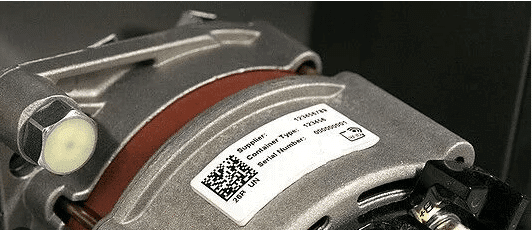
Fulida provided a range of industrial barcode labels made from durable polyester with high-temperature adhesive. These labels were printed with high-quality thermal transfer barcodes that could withstand the challenging factory environment. The labels were applied to raw materials, finished products, and key machinery.
Results and Impact
- Increased Efficiency: The new barcode labeling system allowed the company to track materials and machinery in real-time, reducing production delays and errors.
- Improved Inventory Management: Barcode scanning streamlined the inventory process, reducing the time spent on stocktaking and improving accuracy.
- Enhanced Compliance: The barcode system ensured that all products were traceable, meeting regulatory standards and improving quality control.
Material Parameter Table
| Feature | Polyester (PET) Labels | Vinyl Labels | Paper Labels | Polypropylene Labels |
|---|---|---|---|---|
| Durability | Very High | High | Moderate | High |
| Chemical Resistance | Very High | Moderate | Low | High |
| Temperature Resistance | High | Moderate | Low | High |
| Waterproof | Yes | Yes | No | Yes |
| Ideal Use | Heavy-Duty, Long-Term | Outdoor, Flexible | Light Duty, Indoor | Industrial, Heavy Use |
Application Scenarios Across Industries
- Manufacturing: Asset and inventory tracking for raw materials, finished goods, and machinery.
- Logistics and Warehousing: Warehouse organization, order fulfillment, and shipment tracking.
- Healthcare: Tracking medical equipment, supplies, and pharmaceuticals.
- Automotive: Parts tracking and inventory management for automotive manufacturers and suppliers.
- Retail: Asset and inventory management for retail operations, including stock replenishment and product tracking.
FAQ
Can industrial barcode labels withstand extreme environments?
Yes, industrial barcode labels are made from durable materials like polyester, vinyl, and polypropylene that can withstand harsh environments, including exposure to chemicals, heat, and moisture.
Can I customize the barcode labels with my company’s logo?
Yes, you can customize industrial barcode labels with your company’s logo, product information, and unique barcodes to suit your branding and tracking needs.
What types of barcodes can be used on industrial labels?
Industrial barcode labels can support various types of barcodes, including 1D barcodes (e.g., UPC, Code 128) and 2D barcodes (e.g., QR codes, DataMatrix), depending on your tracking requirements.