
Introduction
In the food industry, packaging plays a crucial role not only in ensuring the safety and quality of food but also in informing consumers about what’s inside. Food labels serve multiple purposes: they provide essential information about the product, comply with legal regulations, enhance brand identity, and foster consumer trust. Whether you’re selling fresh produce, packaged snacks, beverages, or frozen meals, clear and accurate food labeling is essential for successful market entry and customer satisfaction.
Custom food labels are designed to help businesses meet regulatory standards and offer an opportunity to showcase your brand. With features such as nutritional facts, ingredient lists, allergen warnings, and barcode systems, these labels are a key element in the packaging process. This article will explore the critical aspects of food labeling, including design considerations, compliance requirements, and industry trends.
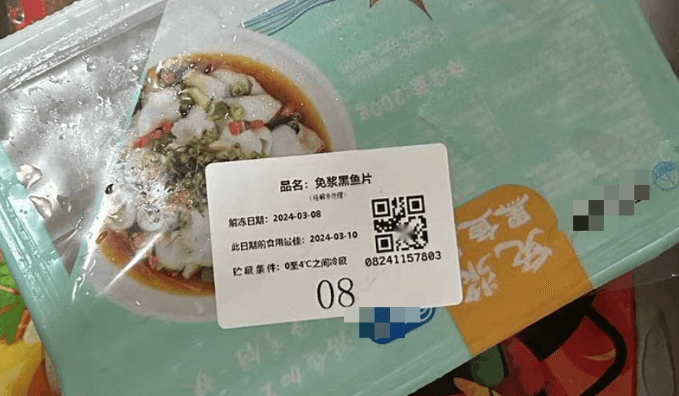
Core Materials Used
Versatile and Durable Materials for Food Labels
The material used for food labels depends on the type of food being packaged and the environmental conditions it will face during storage and transportation. The most common materials used for food labels include:
- Paper Labels: Ideal for dry food products, paper labels are cost-effective and easily customizable. They are best suited for products with shorter shelf lives and can be coated for protection against moisture and oils.
- Vinyl Labels: Highly durable, vinyl labels are ideal for food products exposed to moisture, such as beverages, ready-to-eat meals, or refrigerated items. Vinyl labels are waterproof, tear-resistant, and can withstand varying temperatures.
- Polyester (PET) Labels: These are strong and flexible materials perfect for food packaging that needs to endure rough handling, extreme temperatures, or high humidity environments. PET labels also have high resistance to scratches and fading.
- Tyvek Labels: Lightweight and tear-resistant, Tyvek labels are commonly used for frozen food packaging or food items that require tamper-proof labeling.
Adhesives: Strong, Flexible, and Removable
The adhesive used on food labels must be able to bond securely to the packaging while also being safe and removable. The main types of adhesives used for food packaging include:
- Permanent Adhesive: Best for long-term packaging, where the label must stay securely in place throughout the product’s lifecycle.
- Removable Adhesive: Ideal for products that require temporary labels or packaging that might be returned for re-labeling or recycling.
- Pressure-Sensitive Adhesive: These adhesives allow for easy application without the need for heat or water, ensuring efficient labeling during the manufacturing process.
Material Performance Characteristics
Durability and Protection
Food packaging needs to be resistant to various external factors, including moisture, grease, and temperature changes. Custom food labels are designed to maintain their integrity even in harsh conditions.
- Water-Resistant Labels: Suitable for food products that are exposed to moisture or refrigeration, ensuring the label stays intact without peeling or fading.
- Oil-Resistant Labels: Perfect for oily food products like chips, snacks, or fast food, where the label needs to stay legible and intact despite greasy surfaces.
- Temperature-Resistant Labels: For frozen or chilled food products, labels are made to withstand extreme temperatures, from freezing to high heat during cooking or processing.
Regulatory Compliance
Food labels must meet specific regulatory requirements set forth by government agencies like the FDA (Food and Drug Administration) and the USDA (United States Department of Agriculture). These requirements vary by region but generally include the following elements:
- Nutritional Information: A breakdown of the product’s calories, fats, sugars, proteins, vitamins, and minerals.
- Ingredient List: The full list of ingredients in order of weight, including any potential allergens.
- Allergen Warnings: Clear warnings about the presence of common allergens like peanuts, dairy, soy, or gluten.
- Country of Origin: Indicating where the product was produced, which is a key factor for international food trade.
- Expiration Date: The “best before” or “use by” date to ensure product freshness.
Benefits of Food Labels
1. Regulatory Compliance
One of the most crucial roles of food labels is ensuring compliance with industry regulations. Accurate labeling is essential for meeting legal requirements, avoiding fines, and ensuring that your food products can be sold in both domestic and international markets.
- Compliance with Food Safety Standards: Proper labeling helps ensure that food products meet FDA and USDA regulations for safety and quality.
- Clear Allergen Identification: Transparent allergen labeling helps consumers make safe purchasing decisions, which can reduce liability for manufacturers.
2. Brand Identity and Marketing
Food labels provide an opportunity to communicate your brand’s values, mission, and personality. An attractive, well-designed label can make your product stand out on the shelf and attract customers.
- Attractive Graphics: Custom food labels allow you to showcase your product’s unique features with vibrant designs, logos, and images that align with your brand’s aesthetics.
- Sustainability and Eco-Friendly Messaging: Many consumers prioritize environmentally conscious brands. Eco-friendly food labels can include messaging about recyclable materials, sustainable sourcing, and organic certifications.
- Highlighting Key Features: Labels can promote your product’s unique qualities, such as being gluten-free, organic, vegan, or non-GMO.
3. Consumer Trust and Engagement
Accurate and clear food labeling helps build trust with consumers. Labels provide transparency, enabling customers to make informed decisions about the food they consume.
- Clear Nutritional Information: By displaying nutritional facts, food labels help consumers understand the contents of the product and make healthier choices.
- Brand Transparency: Clear labeling shows consumers that the company values transparency, which fosters loyalty and increases the likelihood of repeat purchases.
4. Product Protection and Freshness
Food labels help protect the integrity of the product by providing tamper-evident packaging and preserving the product’s freshness. Labels can also indicate storage instructions to ensure the product remains in optimal condition.
- Tamper-Evident Seals: Some labels are designed to serve as seals, indicating if a product has been opened or tampered with before purchase.
- Freshness Indicators: Labels can include expiration dates or “best before” dates to communicate the optimal consumption window for consumers.
5. Traceability and Transparency
In today’s food market, traceability is key to ensuring that products are safely sourced and handled. Food labels help track product origin, manufacturing processes, and transportation methods.
- QR Codes and Barcodes: Scannable labels can provide detailed information about the product’s journey from farm to table, ensuring transparency and improving consumer confidence.
Fulida Case Study — Custom Food Labels for a Organic Snack Brand
Client Background
A rapidly growing organic snack company needed custom food packaging labels to highlight its eco-friendly, healthy product range. The company aimed to create eye-catching labels that would communicate its organic and sustainable sourcing practices while meeting regulatory requirements.
Engineering Challenges
The company faced several challenges:
- Designing labels that would stand out on crowded retail shelves.
- Ensuring compliance with FDA labeling regulations, including allergen warnings and nutritional information.
- Incorporating sustainability messaging into the labels.
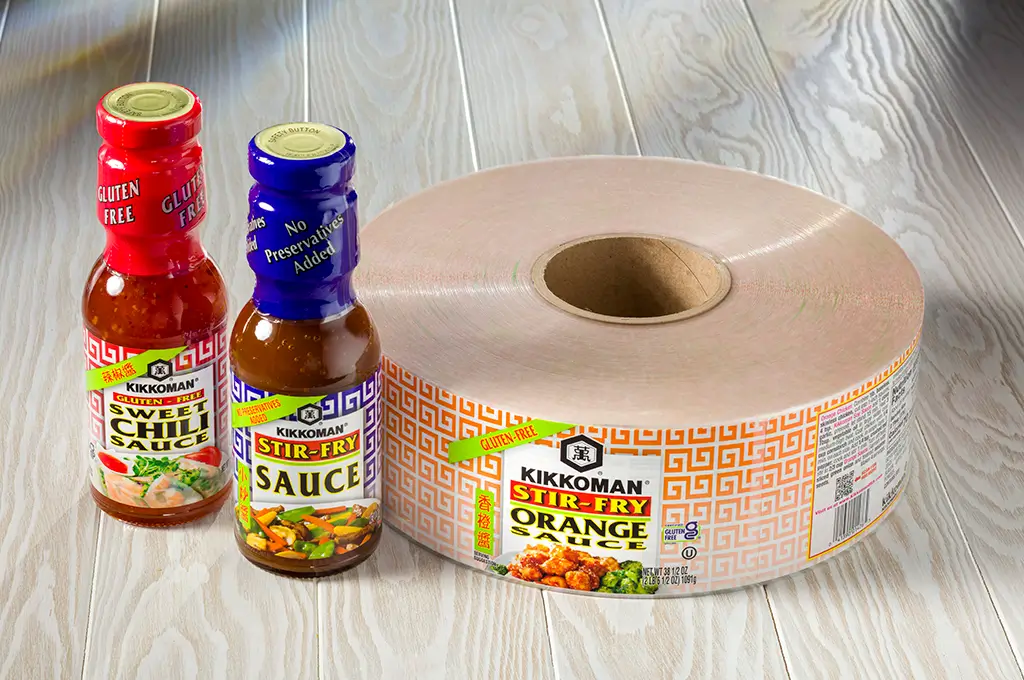
Fulida Solution
Fulida worked with the client to design eco-friendly paper labels with clear, vibrant graphics and custom fonts. The labels were printed using vegetable-based inks to align with the brand’s sustainability goals. Additionally, the labels included clear allergen warnings, nutrition facts, and QR codes for traceability.
Results and Impact
- Increased Shelf Appeal: The unique label design helped the products stand out in the organic snack aisle, attracting more consumers.
- Regulatory Compliance: The client was able to meet all FDA regulations, including allergen labeling and ingredient disclosure.
- Enhanced Brand Image: The eco-friendly labels reinforced the brand’s commitment to sustainability, appealing to environmentally conscious consumers.
Material Parameter Table
| Feature | Paper Labels | Vinyl Labels | Polyester Labels | Tyvek Labels |
|---|---|---|---|---|
| Durability | Moderate | High | Very High | High |
| Waterproof | No | Yes | Yes | Yes |
| Oil & Grease Resistance | No | Yes | Yes | Yes |
| Eco-Friendly | Yes | Yes | Yes | No |
| Ideal Use | Dry Products, Short-Term | Moisture Exposure, Long-Term | Extreme Conditions, Durable | Frozen Products, Tamper-Evident |
Application Scenarios Across Industries
- Food and Beverage: Labels for snacks, beverages, dairy products, and packaged goods.
- Organic & Natural Foods: Labels emphasizing organic certification, gluten-free, non-GMO, or vegan products.
- Frozen Foods: Temperature-resistant labels for frozen products like ice cream, frozen vegetables, or ready-to-eat meals.
- Beverages: Labels for bottled water, sodas, juices, and alcoholic drinks, featuring important details like ingredients and expiry dates.
FAQ
Are food labels recyclable?
Yes, many food labels are made from recyclable materials, such as paper and certain plastics. Be sure to check with the manufacturer for eco-friendly label options.
Can I customize the design of my food labels?
Yes, you can customize the design of your food labels, including colors, logos, and text to align with your branding and marketing goals.
What information must be included on food labels?
Food labels must include the ingredient list, nutrition facts, allergen warnings, expiration date, and country of origin to meet regulatory requirements.